There’s nothing wrong with cookies as part of a balanced eating plan, but you should get more than calories, added sugar, and unhealthy fats when you eat them. With 8 grams of protein and 5 grams of fiber, No-Bake Oatmeal Raisin Cookies, which have no added sugar, are vegan, and happen to be gluten-free, are a better way to satisfy your sweet tooth!
Why You Should Make No-Bake Oatmeal Raisin Cookies
My idea of a delicious cookie recipe is combination of oats, peanut butter, raisins, and pure vanilla extract. Raisins make these cookies naturally sweet, and they need no added sugar. In addition, these cookies vegan and gluten-free when you use gluten-free oats.
No-Bake Oatmeal Raisin Cookies are also 100% whole grain and help to satisfy the suggestion from nutrition experts to eat at least three servings of whole grains daily.
I love the ease of making these cookies. They are ready to eat in about 5 minutes, and one batch is often enough to last the week. That’s important for busy people who can’t spend a lot of time in the kitchen preparing healthy foods, but want to improve their eating habits.
Oatmeal is a whole grain that adds fiber and other nutrients.
Peanut butter is packed with healthy fat and helps hold these no-bake cookies together.
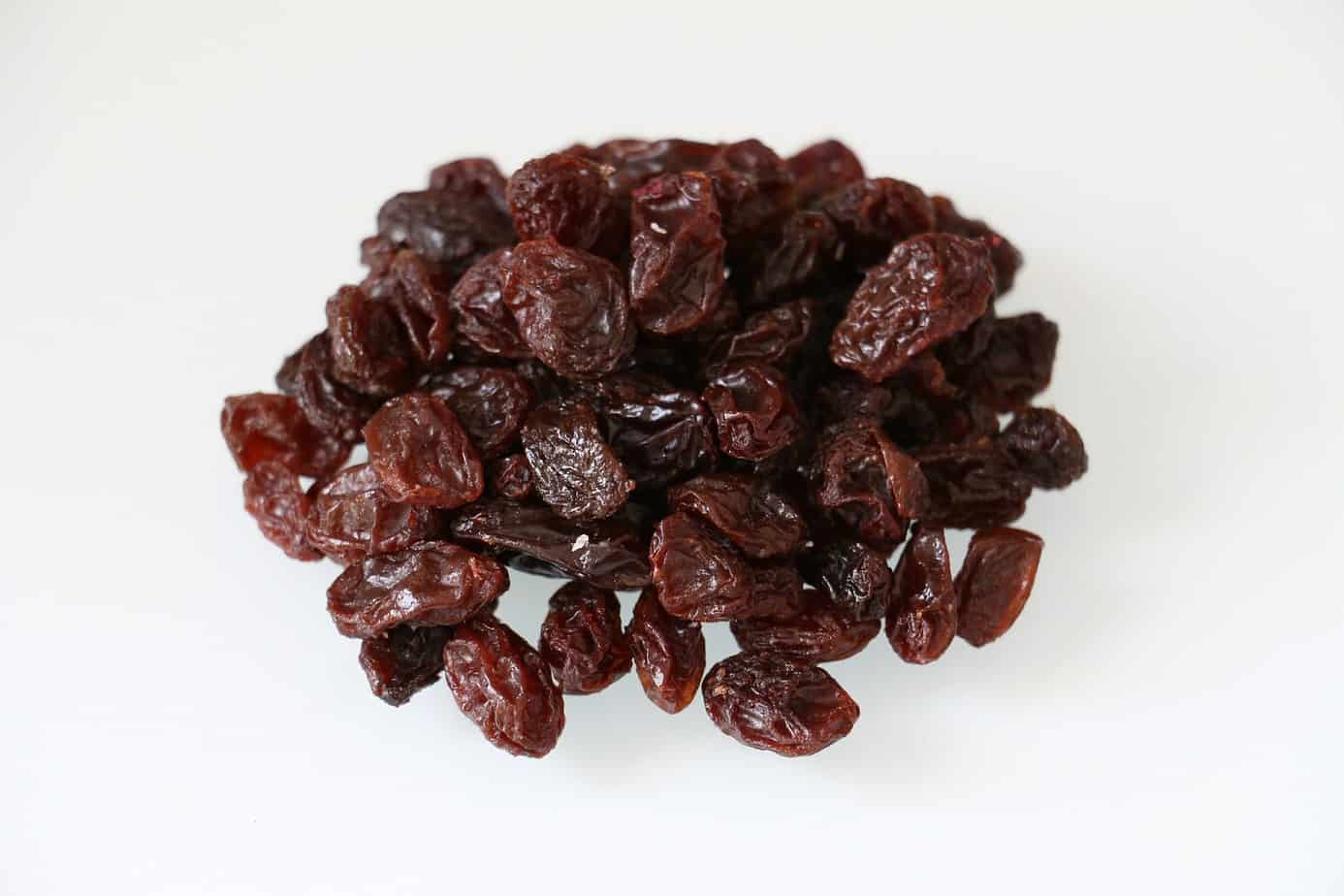
Raisins are sweet, but they contain no added sugar!
Healthy Breakfast Cookies for Kids
We usually think of cookies as snacks or dessert, but they work for the morning meal, too! You eat breakfast for dinner, so why not cookies for breakfast?
Cookies for breakfast are a big hit with kids, and they will love having them as snacks or desserts, too!
If you don’t like cereal, eggs, or other traditional “morning foods” for breakfast, or you don’t have time to eat before leaving the house, these cookies are for you. One No-Bake Oatmeal Raisin Cookie paired with milk, fortified unsweetened soy beverage, or a carton of yogurt and a piece of fruit makes a balanced morning meal.
No-Bake Oatmeal Raisin Cookies are OK to eat any time of day!
No-Bake Oatmeal Raisin Cookies (no added sugar, gluten-free, vegan)
These cookies are ready in minutes, require no cooking, and are delicious for breakfast or snacks!
Prep Time5 minutesmins
Course: Breakfast, Dessert, Snack
Cuisine: American
Keyword: cookies, glutenfree, no added sugar, peanutbutter, raisins
Servings: 10
Calories: 292kcal
Ingredients
2cupsCalifornia raisins
1cuppeanut butter, no sugar added
2teaspoonspure vanilla extract
2cupsuncooked oats, toasted*
Instructions
Place raisins, peanut butter, and vanilla extract in food processor. Blend on HIGH until well combined, about 45 seconds. The mixture will resemble a paste.
Place the raisin mixture in a medium bowl. Add oatmeal and combine well, using your hands, if necessary. Form into 10 cookies or balls.
Store in airtight container.
How to Toast Oats
To toast oats, preheat oven to 350˚F. Spread the oats evenly on an ungreased baking sheet. Bake for 10 minutes. Cool for 5 minutes before using. You can save time by skipping this step.
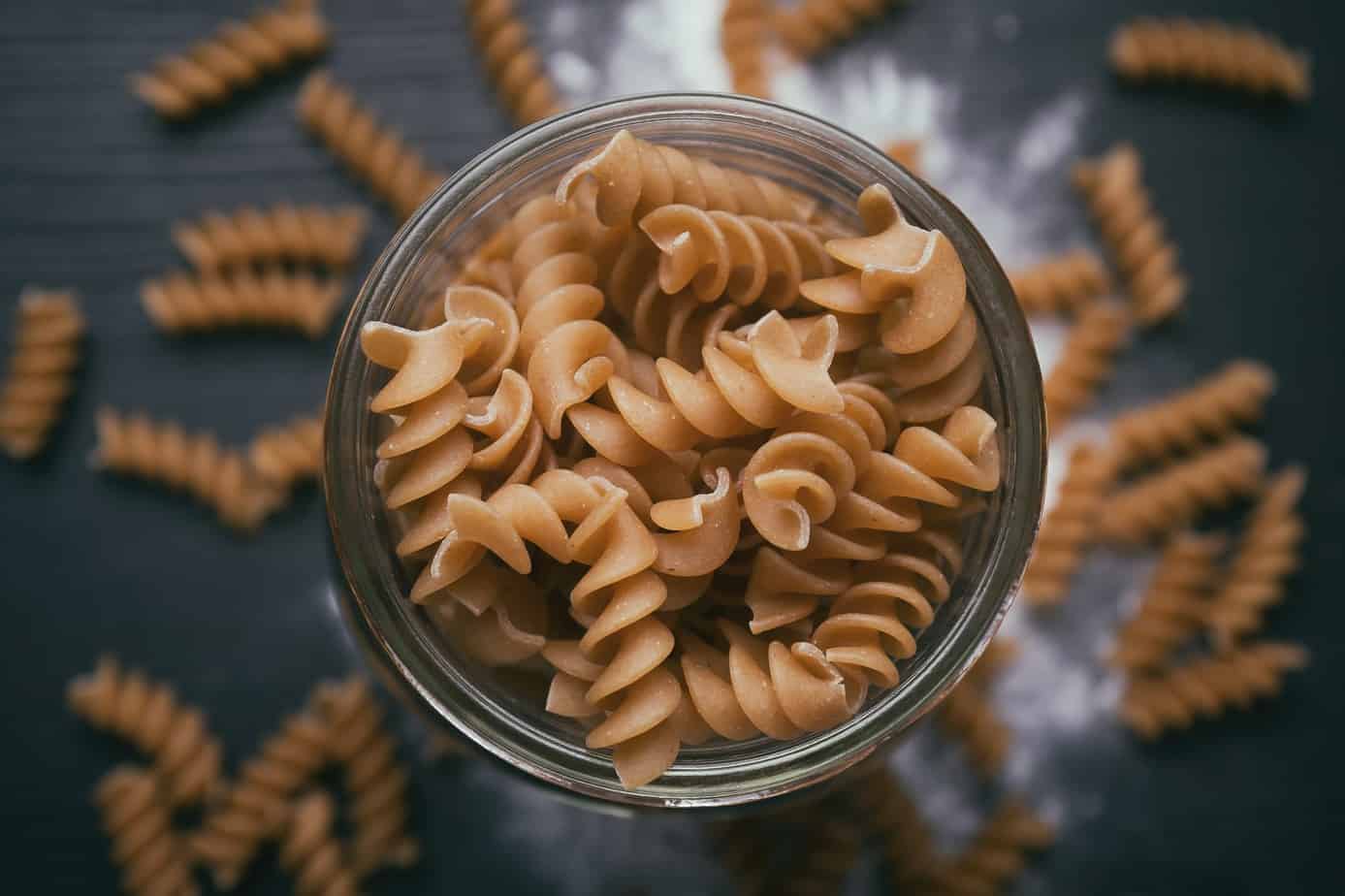
Whole wheat pasta and chickpeas provide fiber and other nutrients that support health.
Macaroni salad is a staple at summertime picnics and BBQs across America. While this perennial favorite gets gobbled up by the ton every year, I can’t say that I’m a fan of the typical recipe. Pasta salad with chickpeas and cottage cheese is a better, more satisfying twist on this American favorite.
Read: Dozens of recipes for pasta salad with all kinds of interesting ingredients.
Pasta salad can be served as a side dish with meat or fish.
Pasta Salad is Good for You
Pasta salad with chickpeas and cottage cheese isn’t only for the warmer months; it can be a healthy option year-round, too. Here’s why.
Cooked and cooled pasta (any kind) is a source of resistant starch, a type of fiber that feeds the beneficial bacteria in the gut that help prevent colon cancer and support overall health. Legumes, such as chickpeas, and cooked and cooled potatoes, also provide resistant starch. Foods rich in fiber can help prevent, and manage, prediabetes and type 2 diabetes.
Meatless Vegetarian Pasta Salad Recipe
I like a hearty pasta salad that’s more than a side dish. Here’s how I build a better pasta salad to enjoy as a meatless meal or as a side dish.
• Whole wheat pasta. Whole wheat pasta is a great way to include whole grains. I like the slightly nutty taste of whole wheat pasta, which is higher in fiber than the regular kind. I favor shapes such as rotini because the ridges hold onto the dressing.
Whole wheat pasta is brimming with manganese, a mineral you need for strong bones and cartilage, and for many other bodily functions.
• Legumes. Chickpeas, a type of legume, and pasta are a satisfying combo that you can really sink your teeth into. Legumes provide protein, and fiber, which helps to better regulate your energy levels, and they supply iron, folate, and phytonutrients, which are plant compounds that protect cells from damage.
• Cottage cheese. I like cheese in my pasta salad for the taste, as well as the protein and calcium. Using low fat cottage cheese in place of some of the feta cheese cuts down on calories and saturated fat.
Low fat cottage cheese has 11 times less saturated fat than feta cheese, but is lower in calcium.
Pasta Salad with Cottage Cheese and Chickpeas can be a side dish or a main meal.
Cook pasta until just about done (al dente). Drain well and place pasta in a large serving bowl.
Add the chickpeas, tomatoes, parsley, onion, cottage cheese, and feta cheese. Combine well.
In a small bowl, whisk together the lemon juice, olive oil, garlic, salt, and pepper. Add the dressing to the pasta mixture and toss until well combined. Serve chilled.
Confused about carbs? Before you go cutting them out of your life, read on to find out why carbohydrates are important to your immune system and overall health.
Do carbohydrates cause weight gain?
A 2018 survey found that Americans blame carbohydrates for weight gain, which is probably why low-carb diets are so attractive. Yet, eating a more plant-based diet is linked to better weight control and other health benefits.
What’s more, the Mediterranean diet is considered one of the healthiest ways to eat. It’s rich in vegetables and whole grains, and is anything but low in carbohydrates.
It’s time we stopped loving to hate carbohydrates.
Carbohydrates give you energy
The body prefers carbohydrates as an energy source because they are easily converted to glucose, the fuel that cells use.
Carbohydrates are found in foods such as milk, yogurt, fruit, vegetables, legumes (beans), bread, cereals, pasta, rice, and in cookies, cakes, and other sweets.
With the exception of fiber, carbs provide four calories per gram. Fiber is mostly indigestible, but more on that later.
Carbohydrates are classified as “simple,” and “complex.”
Simple carbohydrates, found in foods including maple syrup, honey, table sugar, and white bread, pasta, and rice, and milk, are digested quickly.
The starch and other complex carbohydrates found in foods such as whole grain bread, vegetables, and legumes (beans), take longer for the body to digest, making for a slower and steadier energy release into the bloodstream.
When levels of glucose dip in the bloodstream, your mental and physical energy drops, too.
Feeling “hangry?” Hanger is a real thing! Read about it here.
What happens when you eat a low-carbohydrate diet
A very low-carbohydrate intake forces the body to use protein and fat for energy, which isn’t ideal. That’s because protein is meant to help build and maintain lean tissue, including muscle, and to make enzymes, hormones, and cells to support life. When protein is used for energy, it cannot do its job to the fullest.
When the body breaks down fat for energy, it produces ketones. Blood levels of ketones remain elevated on a very low-carb diet. Experts aren’t sure about the effects of high ketones on health, but they do know that excessive ketones can be life-threatening in people with diabetes.
Cut carbs and you cut calories, which may be the reason for weight loss.
Why low-carb diets work for weight loss
You will probably lose weight on a very low-carb eating plan, such as the ketogenic diet.
It’s no mystery why, though. Cutting carbs typically results in consuming fewer calories, which encourages weight loss.
If you don’t want to drastically reduce carbs to shed pounds, take heart. Research shows that reducing fat works just as well for weight loss as lower carb diets.
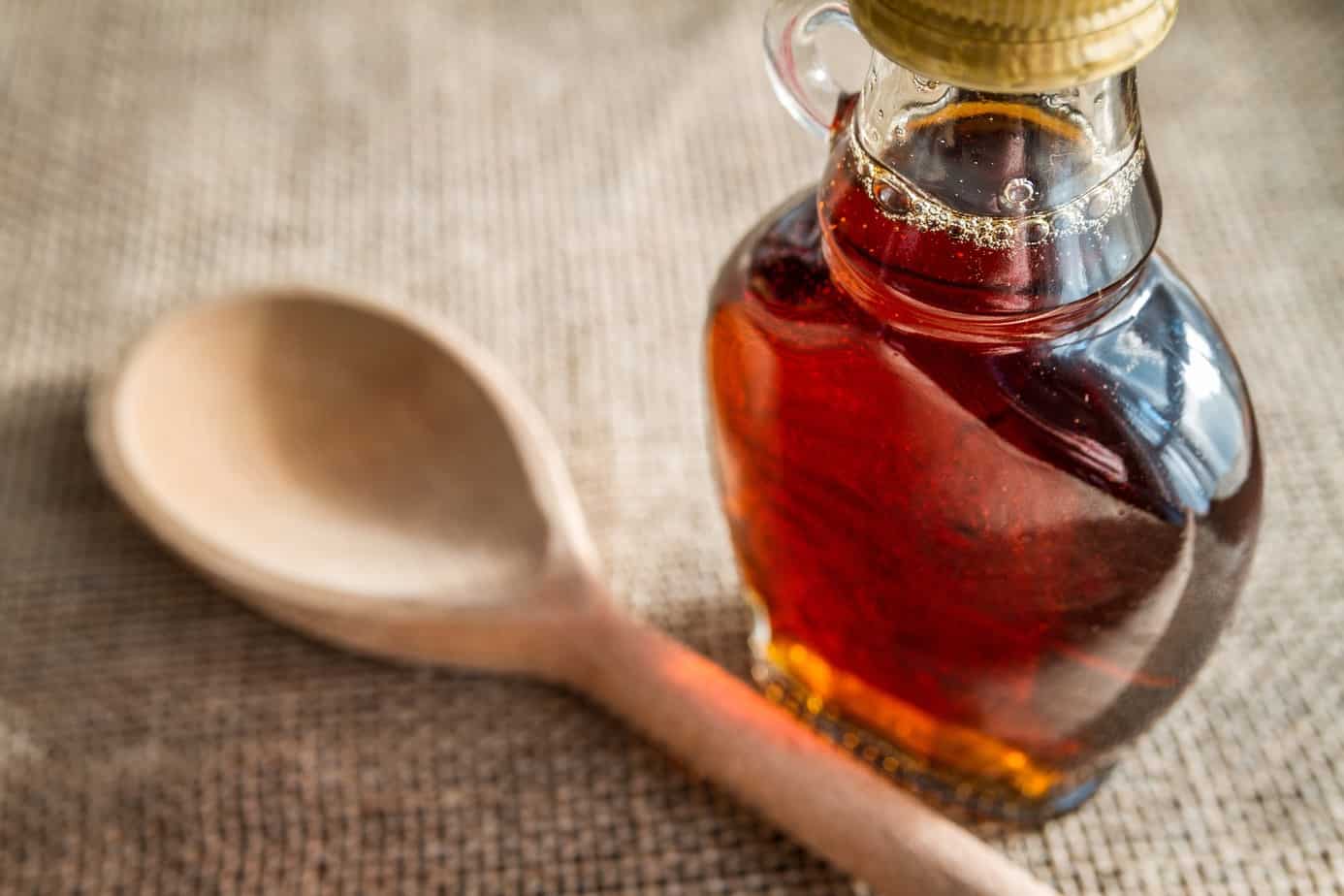
Maple syrup and honey may be “natural,” but they are sources of added sugar.
Carbohydrates are good for your immune system
Fiber, found only in plant foods, including whole grains, vegetables, and legumes, protects against diabetes, heart disease, and colon cancer, and infection. Your gut cannot fully digest fiber, so how is it beneficial to you?
Bacteria in the colon ferment, or feed on, the fiber in food, producing short chain fatty acids (SCFA). SCFA protect the lining of your gut and defend it against colon cancer, help to control blood glucose, reduce inflammation, and strengthen your immune system.
Fiber helps to keep you fuller longer, which is beneficial when trying to control your weight. It also plays a role in lowering blood cholesterol levels and keeping them in a normal range, and preventing constipation.
It’s next to impossible to get the fiber you need on a very low-carbohydrate eating plan. As a result, you will starve the beneficial bacteria in your gut that support your overall health.
Some carbohydrate choices are better than others, but you can still have treats!
How to Eat More Good Carbohydrates
When it comes to choosing carbs, quality counts. It’s a good idea to consider the company that carbohydrates keep rather than taking them off your menu.
Foods rich in added sugars, such as regular soft drinks, granola bars, and candy, typically offer little besides calories. Limit your intake of foods with added sugars, but know that you don’t have to completely avoid them. Find out what your daily added sugar allowance is here.
Choose high-carb, nutrient-rich foods more often to support your health.
Fruits and vegetables, and plain milk and yogurt, contain naturally-occurring simple sugars. They are not on the list of sweeter foods experts advise us to limit, however.
Foods with naturally-occurring sugar, as well as starchy foods such as whole and enriched grains, potatoes, and rice, are desirable because they supply vitamins, minerals, water, fiber, and phytonutrients, beneficial plant compounds that protect your cells.
Fortified grains supply additional nutrients, such as iron and folic acid, which are often in short supply in women of childbearing age.
Bread made with enriched grains provides vitamins and minerals that often go missing in our diets.
How much carbohydrate should you eat?
Suggested daily carbohydrate and fiber intakes are based on calorie requirements.
Experts recommend consuming 45 to 65 percent of your daily calories as carbohydrate. That amounts to:
248 to 358 grams on a 2,200-calorie eating plan
225 and 325 grams on a 2,000-calorie eating plan
202 to 293 grams on an 1,800-calorie eating plan
Of course, you can choose to eat less carbohydrate. Popular low-carb diets suggest far less carbohydrate than nutrition experts. For example, the ketogenic way of eating recommends no more than 50 grams daily, about the amount found in a three-ounce egg bagel.
Fruit is full of water, and can help you meet your daily fluid needs.
How much fiber should I eat every day?
• For every 1,000 calories consumed, eat at least 14 grams of fiber from food.
• For example, on a 2,000-calorie eating plan, include a minimum of 28 grams of food fiber daily.
Beans supply a type of fiber that help beneficial gut bacteria thrive!
Foods high in fiber to eat every day
It’s easier to include enough fiber and other carbohydrates when you eat at least five servings of fruits and vegetables (which includes beans) and at least three servings a day of whole grains.
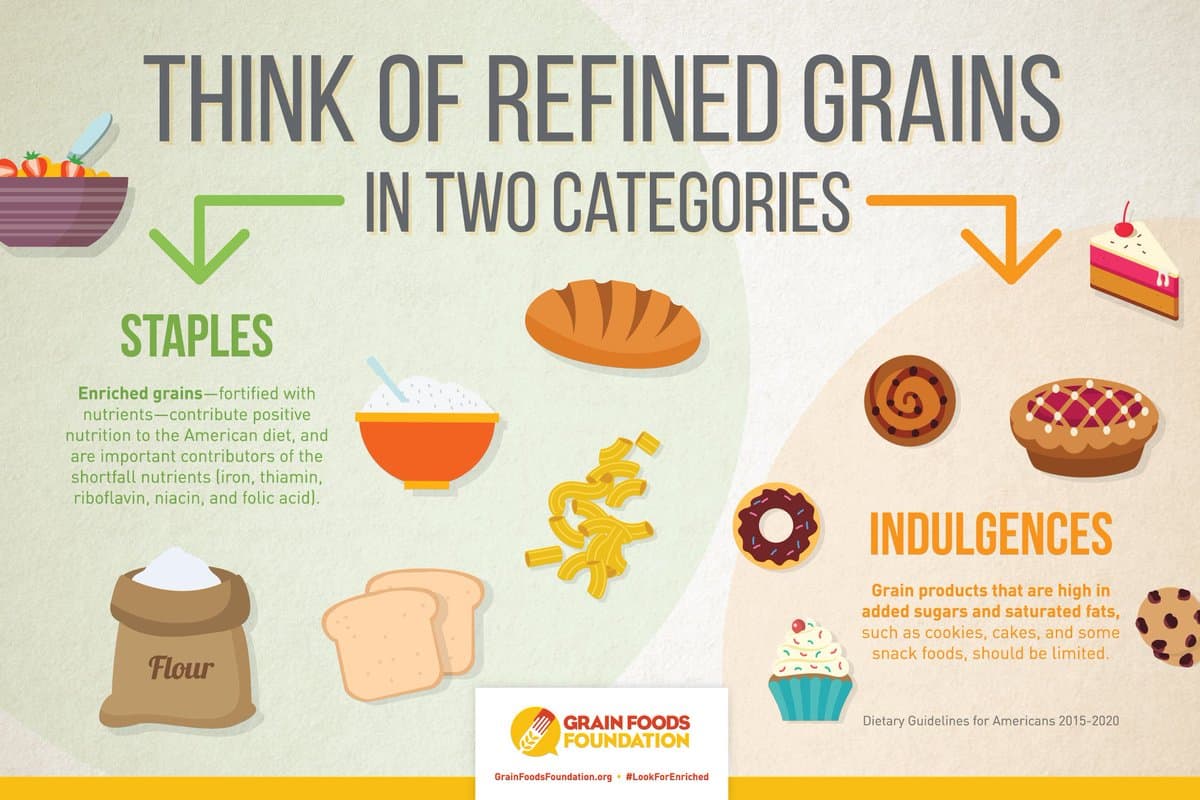
Don’t be concerned about eating refined grains. As long as they are fortified, such as bread, cereal, pasta, and rice, they can be part of a balanced diet.
For packaged foods, check the Nutrition Facts panel on food labels for fiber content.
Here are some common fiber sources, with fiber listed in grams:
Navy beans, 1⁄2 cup, cooked: 10
Lentils, 1⁄2 cup, cooked: 8
Black beans, 1⁄2 cup, cooked: 8
Garbanzo beans, 1⁄2 cup, cooked: 8
Whole wheat bread, 2 ounces: 6
White beans, 1⁄2 cup, cooked: 6
Pear, 1 medium: 6
Avocado, 1⁄2 cup: 5
Soybeans, 1⁄2 cup, cooked or roasted: 5
Peas, 1⁄2 cup, cooked: 4
Chia seeds, 1 tablespoon: 4
Apple, medium, with skin: 4
Raspberries, 1⁄2 cup: 4
Potato, medium, with skin, baked: 4
Sweet potato, medium, flesh only, baked: 4
Almonds, 1 ounce: 4
Broccoli, 1⁄2 cup, cooked: 3
Orange, 1 medium: 3
Banana, 1 medium: 3
Quinoa, 1⁄2 cup, cooked: 3
Fiber fights high blood pressure and elevated cholesterol
The Truth about Carbohydrates
Most foods rich in carbohydrate also contain important nutrients that are not found in other foods.
Like any calorie-containing component of food, including protein, fat, and alcohol, too much carbohydrate may end up as stored body fat because of the excess calories it provides.
Eating much less than the recommended amount of carbohydrate is not a good idea, either, because it may have many negative effects on your health.
Including more plant foods and plain dairy products in a balanced eating plan is your best bet for getting enough “good” carbs. Added sugar can also be part of a healthy diet for most people, including those with diabetes. (Check with your dietitian about your daily carbohydrate “budget.”)
Can we talk? I am not aging well, and by well, I mean I have a hard time accepting how getting older is affecting my body. Judging by all the ads on TV for Botox, body “sculpting,” and drugs to boost bone density, I can see that am not alone in my struggle to stay fit and fabulous after 50.
I’m always on the hunt for ways to preserve my health, and that’s exactly what I found in talking with my friend Christine Rosenbloom, PhD, RD, co-author of Food and Fitness After 50: Eat Well, Move Well, Be Well. I may not like what’s happening to me as the years pass, but I’m not going down without a fight, either. Take that, Mother Nature!
I scoured Chris’ book for tips, but I still had some questions. Here’s what Chris told me when I quizzed her.
Chris Rosenbloom and co-author Bob Murray.
Q. Maybe it’s me, but it’s tough to fight flab with age because it can seem like you’re doing a lot to control your weight with little reward. What is “weight creep,” why does it happen, and what can we do about it?
A. Weight creep is that insidious, small weight gain that doesn’t seem like a big deal. And, a pound or two at a time isn’t a big deal until 20 years later when you’re saddled with an additional 20, 30 or 40 pounds.
Nobody gains 20 pounds overnight; it’s a small, steady increase until one day it hits you that you’re much heavier than you were. I think it happens because we just don’t pay attention. We don’t monitor our weight or pay attention to how our clothes fit. You might get weighed at the doctor’s office (how many of us say, “that scale is way off?”), but rarely does a doctor say anything about weight once we step off the scale.
The rise of Athleisure wear is bad news for aging women. I only wear yoga pants when I do yoga and I wear jeans when working at home, so I have some feedback from the pants that tell me how they fit. While I recommend aiming for health, and not a number on the scale, it may be helpful to weigh yourself often, and possibly daily, to get a sense of an upward trend in your body weight. Don’t worry about fluctuating a couple of pounds every day, because that’s usually just water weight. If there is an uptick in weight overall, ask yourself what you might be doing to cause the numbers to go up. (Note: If you’ve struggled with disordered eating in the past, it may not be a good idea to weigh yourself daily.)
Building and preserving muscle helps you stay strong in your later years. Start now to reap the benefits.
Q. It’s so important for people to understand the importance of muscle as it relates to strength, metabolism, and overall health. Can you describe what happens to muscle tissue as we age?
A. Between the ages of 20 and 90, it’s possible to lose more than 50% of our muscle mass due to sarcopenia (literally meaning “vanishing flesh”) that’s the result of a sedentary lifestyle. And, for women, the effect is even greater, as we have less muscle mass by nature. Add an illness or injury and the picture gets worse; you can lose 1% muscle mass each day after surgery or during an illness!
We lose not only muscle mass, but also muscle strength as we age and that can lead to a decrease in functional fitness, that is, the ability to continue to do the things that help us live independently. Climbing stairs, shopping and carrying groceries, cleaning the house, working in the garden…all of things we take for granted when we are younger can get harder if we lose a significant amount of muscle mass and strength.
The good news is that muscle is very responsive and adaptive to strength training, and we can regain mass and strength by doing progressive, resistance exercise twice a week. You don’t even have to go to the gym. Resistance exercise can be done at home with hand weights or exercise bands. Bob and I like Fitness Blender for online app-based fitness programs, and Go4Life from the National Institute for Aging for easy, free exercise programs.
An eating plan rich in plant foods is good for your heart, and the rest of you, at any age.
Q. Would you explain how menopause influences body weight, muscle mass, bones, and the heart?
A. After menopause, the gradual loss of estrogen affects a woman’s health in many ways, and none of them are positive. Body composition can change, and you may have more visceral fat (the dreaded “belly fat”), an increase in the fat content in muscle, and in your heart and liver, and an overall increase in body weight until about age 70.
Muscle mass is affected, as mentioned before, but most the changes in muscle are related to lack of physical activity that builds and maintains muscle by stressing it. Bone loss begins at about age 30, but after menopause there is a rapid decline in bone mass for the first five years. The loss of bone levels off after that, but bone density is not as good as before menopause. Dietitians stress the importance of a healthy eating plan, including calcium and vitamin D, during adolescence, a prime bone-building time of life, right up to menopause (and afterwards) so that you have the strongest bones possible before calcium losses occur.
“Instead of looking for a superfood, magic supplements, or prescription drug, start eating right and moving more today, because it is never too late!”
The heart is also affected by reduced estrogen levels. Before menopause, women tend to have more “good” cholesterol in their bloodstream, and are considered at a lower risk for heart disease than men. That estrogen protection starts to wane with menopause. But, as dire as it sounds, women can now live almost half of their lives after menopause, and exercise, both aerobic and strength training, help promote a healthy body weight, bone health, heart health, and muscle health.
Find exercise that you enjoy. Doing different types prevent boredom.
Q. Starting an exercise program, increasing exercise frequency, and changing the type of exercise you do can be daunting. What is your advice to help us stay fit and fabulous after 50?
A. There is no “best” exercise. Find something you like to do, start slow, and just do it. In my community, I’ve seen older adults go crazy for pickleball, and people who haven’t exercised in 20 years are showing up to play this fun sport. It might also be helpful to join a YMCA or a gym that caters to older adults; many people get free or reduced YMCA membership with their Medicare supplemental insurance but never take advantage of it. And, if that doesn’t work, find a friend or a fitness buddy to walk with.
Q. How important is maintaining strength and agility as we age with regards to independence and quality of life?
I can’t say it enough: Keeping our muscles strong, and staying flexible and agile can help prevent falls, fractures, and metabolic diseases (like diabetes). My goals include traveling, and being able to lift my suitcase to get it into the overhead bin on a plane! I also plan to be able to haul a 50-pound bag of dog food into my shopping cart, my car, and into the house to feed my two big dogs! Those tasks define functional fitness for me in my late 60s! I am also realistic and I know things can happen to my body. When an injury or illness comes along, chances are, you will recover faster and easier if you are fit!
Yogurt is a convenient, versatile, protein-packed food, and it also promotes a healthy digestive system and strong bones to help you stay fit and fabulous after 50.
Q. Protein is getting a lot of attention these days. Should older people eat more protein than the current suggested intake?
A. Researchers have identified something called “age-related anabolic resistance,” thought to be caused by less sensitive signaling pathways that lead to a slower muscle-making ability. So, older adults who are strength training need more protein than the current recommendation, and protein should be distributed throughout the day to maintain or build muscle.
While protein needs vary, I think an easy way to look at it is to recommend about 30 grams of protein per meal (a smaller person might need less 20-25, and a larger person trying to build muscle might need more, 30-40 grams) every day. I would also suggest a nighttime snack with protein, such as a half-cup of cottage cheese, two one-ounce string cheeses, or a small bowl of cereal and milk to “feed” your muscles while sleeping.
To be honest, I don’t go in for kitchen “gadgets.” And, I don’t use my “crock pot” much except to make dishes like this Slow Cooker Beef and Mushroom Stew, one of my go-to recipes on busy weekdays. (What weekday isn’t busy?) Take a few minutes in the morning to make this gluten-free beef stew recipe and you’ll have a delicious meal for dinner that the entire family will enjoy!
One bowl of Slow-Cooker Beef and Mushroom Stew is almost a meal in itself!
How to eat more plant foods
You don’t need to give up meat to eat a plant-based diet, and this recipe proves it. One serving of beef and mushroom stew supplies a full portion of vegetables, along with protein, and iron. It also contains 25% of the daily requirement for choline, a nutrient every cell in your body needs, and is necessary for developing brains during pregnancy and early life, and to support brain health in your later years, too.
This juicy, delicious burger recipe is a beef and mushroom blend
The health benefits of replacing some meat with mushrooms
The stew is rich in mushrooms, which take the place of some of the beef. Mushrooms are the only product in the fruit and vegetable section with vitamin D, and they have many other beneficial properties, too, including choline. Adding even a small amount of mushrooms to your eating plan can increase nutrition.
In addition to the nutrients mushrooms supply, there’s plenty they don’t have, including cholesterol. Mushrooms are also nearly free of fat and sodium. Vary this recipe with a mixture of mushrooms, such as white button and shiitake, if you like.
Mushrooms provide umami, a taste sensation that brings a savory flavor to dishes and may reduce salt use.
Gluten-free Beef Stew for the Slow Cooker
On top of it’s great taste, this low-carb slow cooker beef stew (16 grams of carbohydrate per serving) is also a gluten-free beef stew. The recipe calls for cornstarch instead of flour as a thickener. Be sure to buy gluten-free beef broth, because wheat, which contains gluten, may be added to the broth.
As a dietitian, and lover of all things sweet, this no-bake vegan bean and peanut butter treats recipe checks all the boxes for me!
Nothing says “love” like a healthy, delicious dessert.
Healthy, no-bake dessert recipe
The best thing about vegan recipes is that you don’t have to be vegan to enjoy them. (Also, you can eat the raw dough!)
No-Bake Vegan Bean and Peanut Butter Treats are perfect for everyone because they’re delicious, energizing, and heart-healthy. And, if made with certified gluten-free oats, this vegan treat is gluten-free, too.
Children can help form the dough into hearts. Or, if it’s easier for them, they can form the dough into balls and dunk them into the chocolate.
1 15-oz. can white beans or chickpeas, rinsed and drained
1/2 cupcreamy peanut butter
1/3cupmaple syrup
1 1/2tsp.pure vanilla extract
1/3cup dark chocolate chips (vegan and gluten-free, if desired)
3 Tbsp. finely chopped peanuts
Instructions
Place all the ingredients except the chocolate chips and peanuts in a food processor. Blend until the mixture is well-combined, about 3 minutes, pausing to scrape down the sides of the processor. Leave the dough in the food processor and refrigerate for 15 minutes.Place the dough on a large cutting board and press into a 9-inch square that’s about 1/2-inch thick. Use a medium heart-shaped cookie cutter to cut the dough into hearts.* Combine the remaining dough and press into a 1/2-inch thick piece. Cut dough into hearts until you have 18, and place hearts on a wire cooling rack on top of a cutting board.To decorate, melt the chocolate in the microwave or in a double boiler and drizzle on the hearts. Sprinkle with chopped peanuts and allow the chocolate to harden before eating. Refrigerate leftovers.
*Note: You can also shape the dough into 18 balls. Dip half of each ball into the melted chocolate and coat with peanuts. Place on wax paper to harden.
They’re vegan, so you can pick at the batter without worries!
One in four of us have tummy trouble on a regular basis, and an estimated 25 to 45 million Americans suffer from Irritable Bowel Syndrome (IBS).
IBScauses gas, bloating, cramping, pain and altered bowel function.
The low-FODMAP way of eating is based on an approach created by researchers at Monash University in Australia. According to Scarlata, research shows that up to 75% of people with IBS can get relief from their symptoms by following a low-FODMAP diet.
A low-FODMAP eating plan may also benefit those with other GI conditions, such as celiac disease (along with a gluten-free eating plan.)
One in four Americans suffer from tummy trouble.
When it comes to digestive woes, the authors know what they are talking about. In addition to providing the latest research about personalizing a FODMAP plan and 130 delicious recipes, Kate, and her co-author and recipe developer Dede Wilson, discuss their experiences in the book. Kate had a major intestinal resection nearly 23 years ago that resulted in debilitating digestive symptoms. Dede was diagnosed with IBS in 1990. Both have successfully used the low-FODMAP diet to manage their issues.
Here’s more from my interview with Kate.
What are FODMAPS?
FODMAPs are a group of certain carbohydrates (sugars and fibers) found in higher levels in many everyday foods, such as apples, garlic, traditional yogurt (not Greek), and products made with wheat. Because some people can’t properly digest them, FODMAPS can pull water into the small intestine, and they are rapidly consumed by gut microbes (the bacteria present in the gut), which results in excessive gas production. If you have a sensitive gut, water and gas can contribute to symptoms of bloating, alteration in bowel habits, and pain. Additionally, the microbes that feed on FODMAPs create compounds that may also play a role in the symptoms of digestive distress.
Peanuts and walnuts are on the low-FODMAP food list.
Why did you write a book about FODMAPS?
I co-wrote the The Low-FODMAP Diet Step by Step because I wanted IBS patients to have an easy-to-understand approach to following the low FODMAP diet. I have created ways to make the approach less daunting and realistic through my work with thousands of patients to implement the low-FODMAP diet.
The most important point about the low-FODMAP approach is that is it a three-part nutritional intervention. The first part is a two to six-week elimination phase where high-FODMAP foods are taken out of the diet. The second part is the challenge, or reintroduction, phase. During this phase, FODMAPs are systematically added back to the diet to help you identify which FODMAP sources trigger symptoms, and which FODMAPs do not. The third phase is the integration phase, when tolerated FODMAP foods are slowly added back to the diet.
The goal of the low-FODMAP approach is to eat the most varied and enjoyable diet as possible while maintaining good symptom control. However, balance is important. Cutting out too many foods on the low-FODMAP diet may also reduce some healthy microbes in the gut. We encourage the challenge and integration phases of the low-FODMAP diet so that you can follow an eating plan with as much variety as possible to maintain symptom relief and keep your gut healthy.
Chocolate Chunk Cookies are on the low-FODMAP diet menu! You’ll find the recipe in book.
Why are digestive disorders increasing?
In my opinion, we are seeing an increase in digestive issues due to a a variety of reasons including the use of antibiotics and antimicrobial soaps, high fructose corn syrup (a concentrated source of FODMAPs) and food additives. For example, emulsifiers in highly processed foods such as ice cream, salad dressing, and mayonnaise, cause gut inflammation and altered gut microbes in animal studies.
Pollution, stress, and other factors also alter and disturb the balance of microbes that inhabit our gut and support health.
Do you think it’s difficult for people to be properly diagnosed with IBS and other digestive disorders?
In America, talking about gut health is often viewed as taboo. Although our views on talking about it is slowly changing for the better, many patients would rather suffer in silence than address their symptoms. A recent study found that primary care doctors fail to ask about GI symptoms quite often as well during physical exams, which further compounds the problem.
On a scale of 1-10 (10 being the best), how exciting is the evidence about the effects of what you eat on digestive health and overall wellbeing?
I would say we are at about a 10+ in this area! The evidence continues to mount daily that the gut is the window to health.
What we eat impacts the trillions of microbes that live in our intestine. We know these microbes affect our chances for chronic diseases including diabetes, obesity, non alcoholic liver disease, and depression.
It’s a very exciting time to be a dietitian interested in gut health. I truly believe all dietitians should be watching the research closely so that they can best communicate findings to patients and other consumers.
There are so many new studies looking at how FODMAPs may affect health. A 2017 study showed that when breastfeeding moms of infants with colic decreased their FODMAP intake, the infants’ colic symptoms decreased.
While more research is needed about the effect of mom’s diet on colic, the study offers hope to parents. Another interesting study looked at how the low-FODMAP diet may help reduce inflammation in the body. Inflammation can give rise to chronic conditions including heart disease and cancer.
Clickherefor tips about how to discuss your digestive issues with your doctor
Chances are, you’re familiar with someone struggling with infertility, and you may not even know it. About 15% of couples have trouble getting pregnant, and that makes fertility issues common. I wrote about infertility in Expect the Best, Your Guide to Healthy Eating Before, During, and After Pregnancy, and while I’m aware of the stats, they don’t convey the fact that women who face fertility issues may experience shame.
Talking openly about infertility can help to ease a couple’s burden, and hopefully, reduce negative feelings about a condition that is not their fault. Registered dietitians Elizabeth (Liz) Shaw and Sara Haas, also a chef, have taken the lead in this regard in the Fertility Foods Cookbook, 100+ Recipes to Nourish Your Body. I spoke with Liz about book, which is full of amazing recipes, about food and fertility.
Elizabeth Shaw, MS, RDN
Why did you write this book about food and fertility with Sara?
I always knew that I wanted to write a book, and when I realized that there was a need for a fertility foods book, I reached out to Sara Haas, a friend that I had made online through our mutually-exhaustive experiences with infertility. After asking Sara for her opinion about my book idea, she told me that she wanted to work on a fertility book, too! Two heads are better than one, and so began our book adventure. We took the opportunity to tell our uniques stories and struggles with fertility, and to let our audience know that they are not alone.
While fertility-fueling foods are certainly no different than other wholesome, delicious foods, there are some principles of an eating plan conducive to conception that are important to consider. We recommend plant-based eating. You don’t have to eat a vegan diet, or severely restrict animal foods, but the bulk of your plate should be plant-based. We discuss ways in which combining healthy fats with whole grains, fruits and vegetables, and plant-based proteins, such as soy and legumes, creates a plate that promotes fertility, giving couples a sense of control over a condition that sometimes feels so out of their control.
Here’s one of the recipes from the book that I tried and loved:
Chickpea Salad with Tahini Vinaigrette from the Fertility Foods Cookbook by Elizabeth Shaw, MS, RDN and Chef Sara Haas, RDN, LDN is easy, delicious, and can be served as an entree or as a side dish. It’s a plant-based recipe that everyone in the family will enjoy!
What foods should men eat to improve their fertility?
Although we specify in the introduction that the book is directed toward females, we include advice about food choices for men, and how some may be different than for women. While females who struggle with anovulatory infertility are encouraged to choose whole milk dairy products to enhance fertility, men are encouraged to stick with low-fat dairy. Slow-releasing carbohydrates, such as those found in whole grains, vegetables, legumes and soy, are good for both genders. One other interesting note is the research that suggests regular walnut consumption may help support male fertility in animal studies.
Walnuts may help support male fertility. They are also good for your gut health, and your partner’s.
Are there foods to avoid when trying to conceive a baby, and why?
While Sara and I certainly don’t want to discourage any food, we do recommend limiting added sugar, as well as reliance on highly-processed foods. Most highly-processed foods supply fewer nutrients than their less-processed counterparts. While nearly all the foods you eat, including plain milk, eggs, and lettuce, are technically “processed,” it’s possible to make better choices. For example, whole wheat bread is better for you than highly refined white bread, even though both foods are processed.
Don’t worry about engaging in a slice of birthday cake or other special occasion treats. Rather, focus on a fertility-fueling mindset most of the time. In addition, since those actively trying to conceive may become pregnant, we also recommended focusing on safer seafood choices, such as salmon, canned light tuna, and shrimp, and steering clear of fish that tend to be higher in mercury, such as King mackerel, marlin, orange roughy, shark, swordfish, tilefish (Gulf of Mexico), and big eye tuna (not canned) that is typically used in sushi.
Heavenly Chocolate Cake with Rich and Creamy Chocolate Frosting is gluten-free, vegetarian, and packed with far more protein, fiber, and other nutrients than regular chocolate cake.
In your discussions with those who are trying to conceive, what are they most confused about?
One of the common misconceptions is that couples think they need to completely avoid carbohydrates, maybe because of the gluten-free trend. (Men and women with diagnosed celiac disease should avoid gluten.) My job is to help educate people about the importance of including whole grains, many of which are gluten-free, in a diet that can help fuel fertility. I find once people recognize that they can become satiated, satisfied and at ease with a nourishing bowl of quinoa, mixed vegetables, and a delicious walnut sauce, their mindset about eating for fertility shifts. They start thinking of food preparation not as another chore but as a controllable way to fuel their fertility.
If you know someone who is struggling with fertility issues, check out BumpsToBaby.com, the support community that Liz started and runs. BumpsToBaby offers a free, closed group for those seeking health and support from others who are trying to conceive.
They say good things come in small packages, and for me that means mini desserts. There is no way that I’m going to skip sweets, yet I don’t want a huge piece of pie or cake, either. The first few bites of any food are the most satisfying, so why eat more than you need? Here are three delicious mini dessert recipes suitable for entertaining, and for every day!
Brownie Bites with Raspberry Chia Jam
Brownie Bites with Raspberry Chia Jam
Makes 24 brownies.
1 cup fresh or frozen plain raspberries
1 tablespoon sugar
1 tablespoon plus 1 teaspoon chia seeds
1 15-ounce can black beans, rinsed and drained
1/4 cup canola oil
2 large eggs
3/4 cup sugar
1/2 cup unsweetened cocoa powder
1 teaspoon pure vanilla extract
1/2 teaspoon baking powder
1/2 teaspoon salt
2/3 cup semisweet chocolate mini chips
2 tablespoons sweetened flaked coconut
Preheat oven to 350°F. Coat a 24-cup mini-muffin pan with cooking spray.
Place berries in small saucepan and cook for 5 to 10 minutes or until the fruit breaks down. Using the back of a wooden spoon, mash the berries. Take the berries off the heat. Add the sugar and chia seeds, and let the mixture stand until thickened. Place in the refrigerator until ready to use.
Place the beans and the oil in a food processor. Process on high until smooth, about 2 to 3 minutes. Add the eggs, sugar, cocoa powder, and vanilla extract and blend well. Add the baking powder and salt and blend for 10 seconds more. Stir in the chocolate chips.
Pour the batter by rounded tablespoons into each muffin cup. Bake for 10 minutes or until a toothpick inserted in the middle of a brownie bite comes out clean. Cool on a wire rack for 5 minutes, then remove from the pan and cool completely.
Top each brownie with 1 teaspoon jam and a few coconut flakes.
Mini Pumpkin Mousse
Mini Pumpkin Mousse
Makes 12 servings.
2 cups plain canned pumpkin
1 cup plain fat-free Greek yogurt
3/4 cup pure maple syrup
1 teaspoon ground cinnamon
1/2 teaspoon ground nutmeg
1/2 teaspoon ground ginger
1/4 teaspoon ground cloves
8 ounces frozen, thawed light whipped cream (or 1/2 cup heavy cream that’s been whipped, or cashew cream)
2-3 medium gingersnaps, crumbed (optional)
Place pumpkin, Greek yogurt, maple syrup, cinnamon, nutmeg, ginger, and cloves in a large mixing bowl. Beat on high speed for 1 minute. Set aside 3 tablespoons of the whipped topping or cream, and fold what remains into the pumpkin mixture. Spoon the mousse into 12 small serving dishes. Chill until ready to serve. Top each with a teaspoon of whipped topping and crumbled gingersnap cookies, if desired.
Peanut Butter Chocolate Cups
Peanut Butter Chocolate Cups
Makes 24 cups.
12 ounces dark chocolate
1 cup heavy cream
2/3 cup Greek-style cream cheese
1 cup powdered sugar
1/2 cup creamy peanut butter
mini chocolate chips or chocolate for shaving, if desired
Cut two clean, one-dozen empty foam egg cartons into separate egg cups to make 24 cups.
Melt the dark chocolate. Place a heaping teaspoon of melted chocolate in each egg cup and tilt to evenly coat. Put egg cups on a baking sheet and freeze for 20 minutes.
Place cream in a large mixing bowl. Beat on high speed until cream forms stiff peaks, about one or two minutes. Do not overbeat. Transfer cream to a medium bowl and set aside.
Add cream cheese, sugar, and peanut butter to the large mixing bowl. Beat on high speed until smooth. Fold the whipped cream into the peanut butter mixture until completely combined and the mixture is uniform in color and texture. Refrigerate.
Take egg cups out of the freezer. Carefully peel the egg carton from the chocolate, keeping your fingers near the bottom.
To assemble, place a tablespoon or so of the peanut mixture into each chocolate cup and top with shaved chocolate.
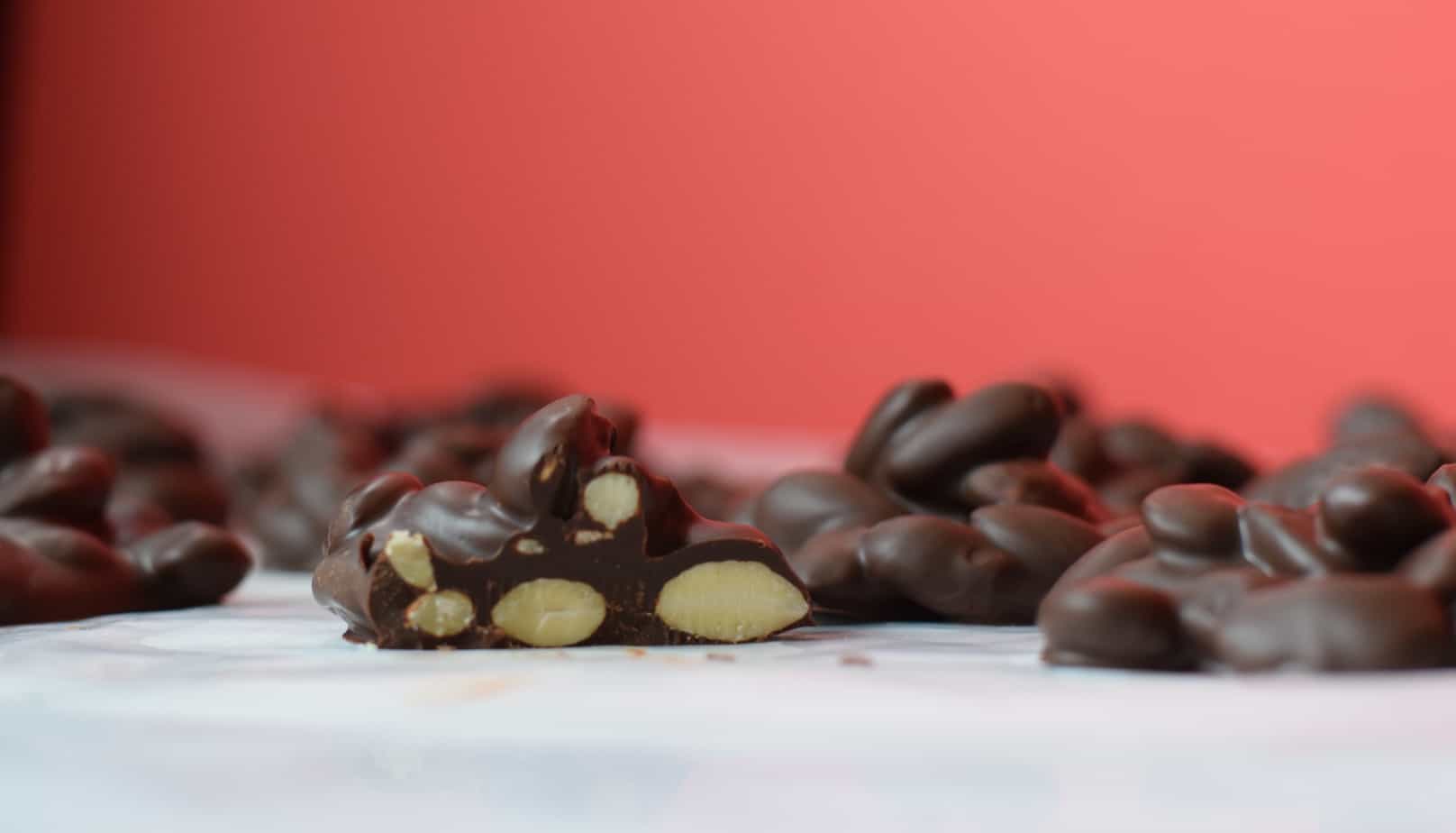
I love combining chocolate with dried fruit, or nuts, or both! My friends and family seem to like the idea, too. They’re always so appreciative when I present them with these super simple, healthier and better-for-you chocolate holiday treats, which make great gifts.
How to make healthier holiday treats
There’s no formal recipe for my healthier holiday treats. For each batch, melt 10 ounces of dark chocolate (I use dark chocolate chips) in a double boiler. You can also melt the chocolate in the microwave. Use a large glass bowl to make room for other ingredients.
When the chocolate has melted, add 2 cups whole or chopped nuts, dried fruit, shredded coconut, or a combination directly to the double boiler, mix thoroughly, and drop by large tablespoons onto waxed paper.
Top with festive sprinkles, if desired!
My latest obsession is macadamia nuts, dried cranberries, and white chocolate. Yum!
I prepare several batches of treats with a variety of ingredients.
When I need to be mindful of nut allergy, I make the dried fruit treats first and package them up so that they don’t come into contact with nuts. These are a raisin and coconut combo:
Dip the apricots halfway in the melted chocolate.
Allow the treats to set for about 2 to 3 hours before packaging.
Would it be better to forgo the chocolate and eat plain nuts and dried fruit? Yes, that would be perfect, but not nearly as much fun. I think my friends and family would be disappointed, and so would I!
Hi, I'm a registered dietitian, writer, recipe developer, and mother of three who specializes in food and nutrition communications and believes in progress, not perfection. If you're interested in easier ways to live a healthier life, you're in the right place. Welcome!


















 Hi, I'm a registered dietitian, writer, recipe developer, and mother of three who specializes in food and nutrition communications and believes in progress, not perfection. If you're interested in easier ways to live a healthier life, you're in the right place. Welcome!